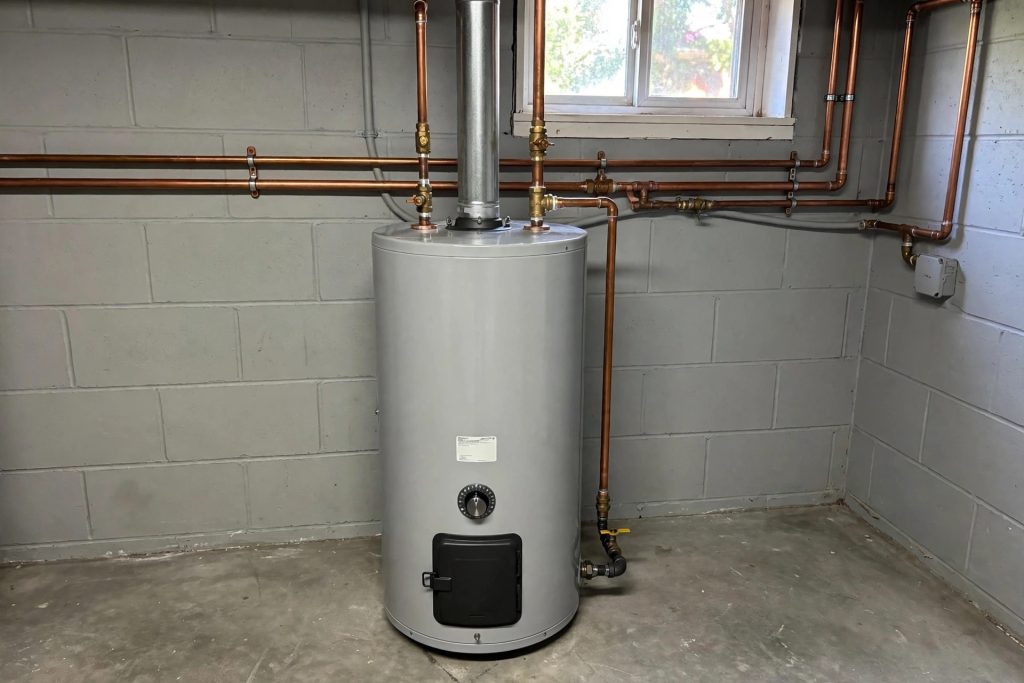
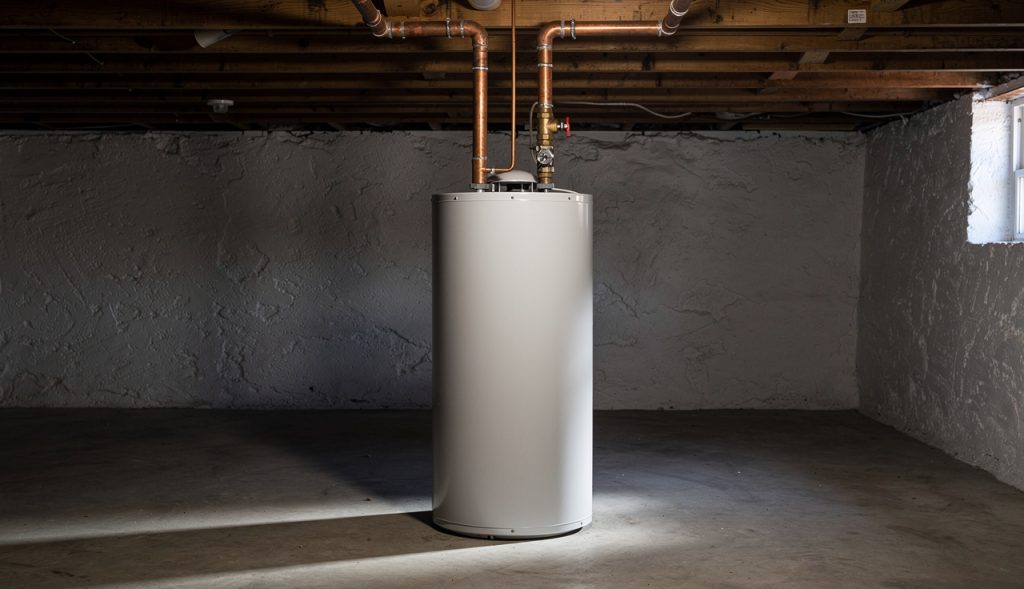
Water Heater: Repair or Replace? Calculator
Enter the age, the problem and the repair quote - get a straight repair-or-replace verdict.
Open calculator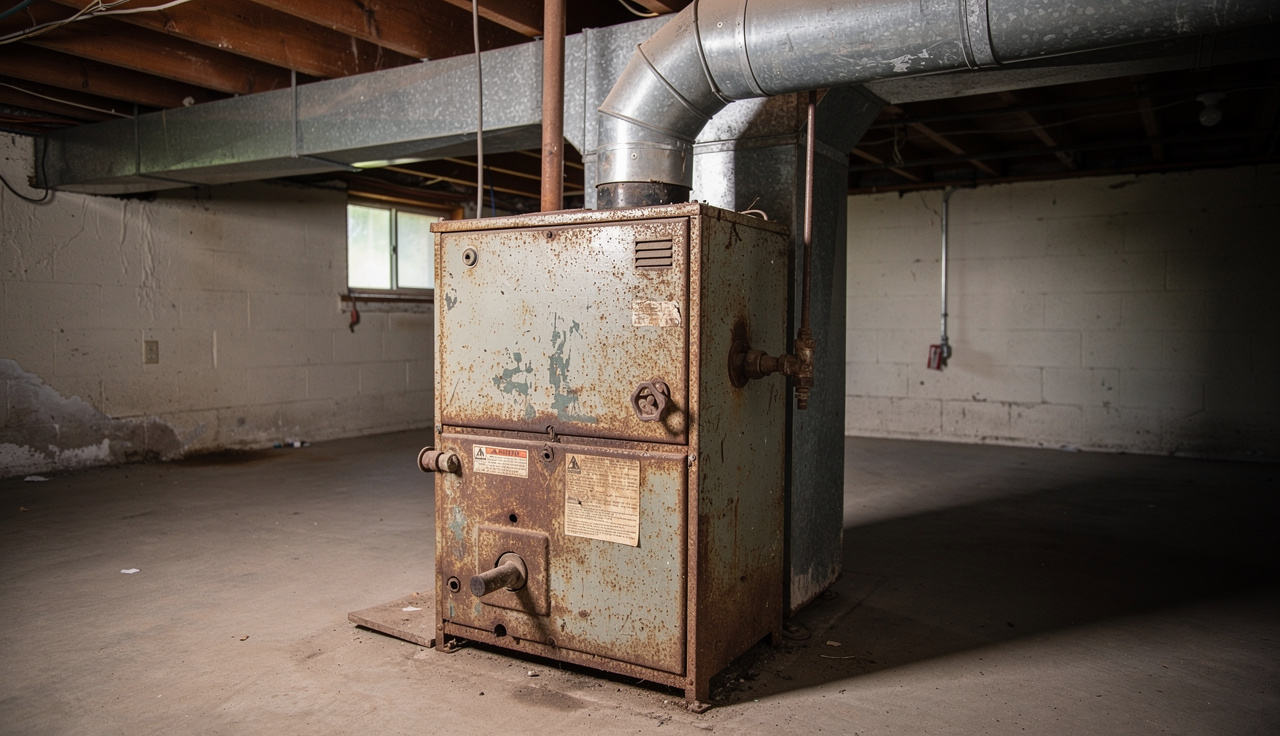
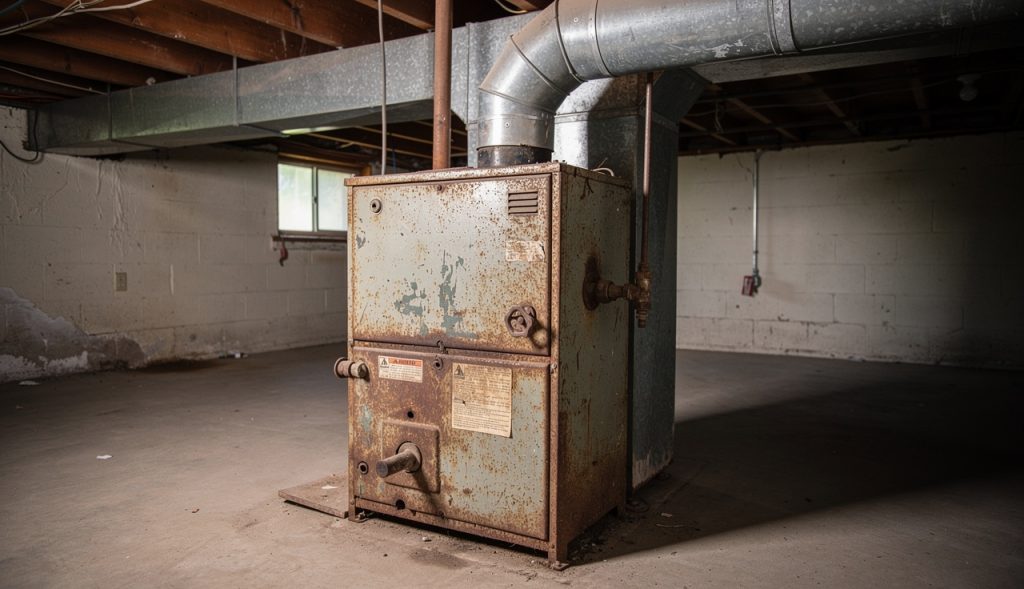
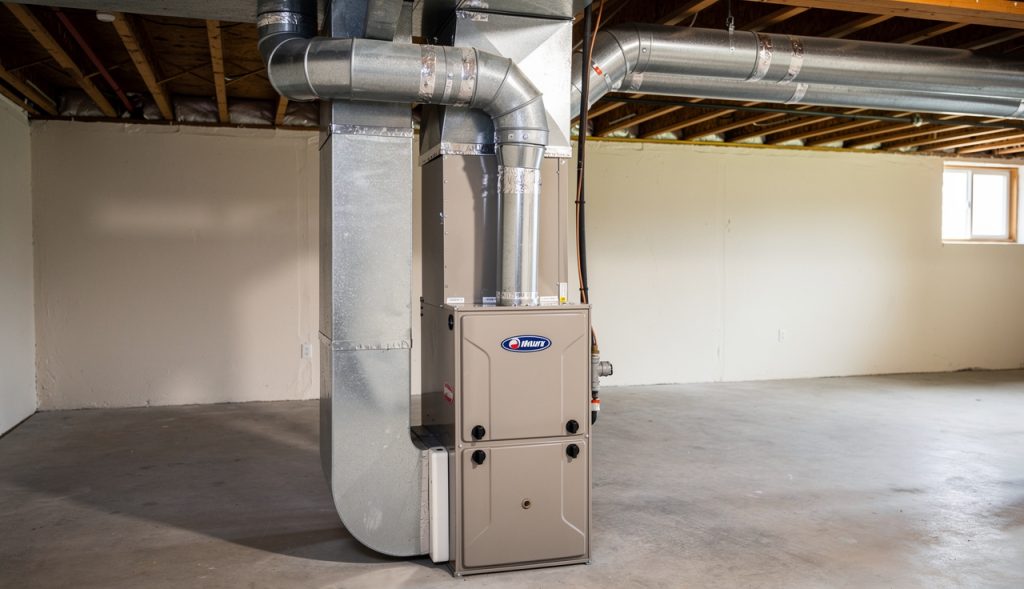
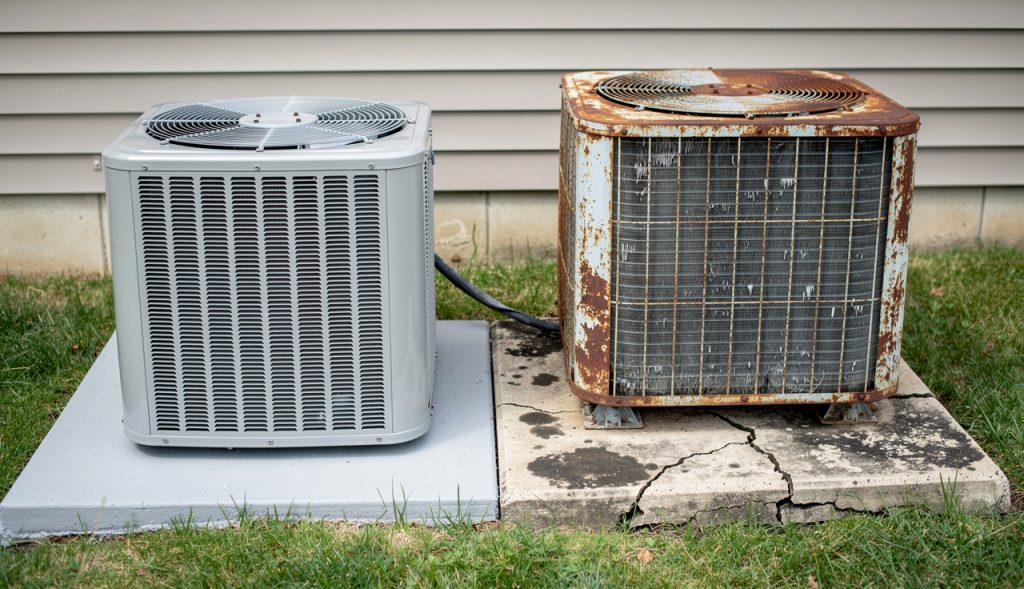
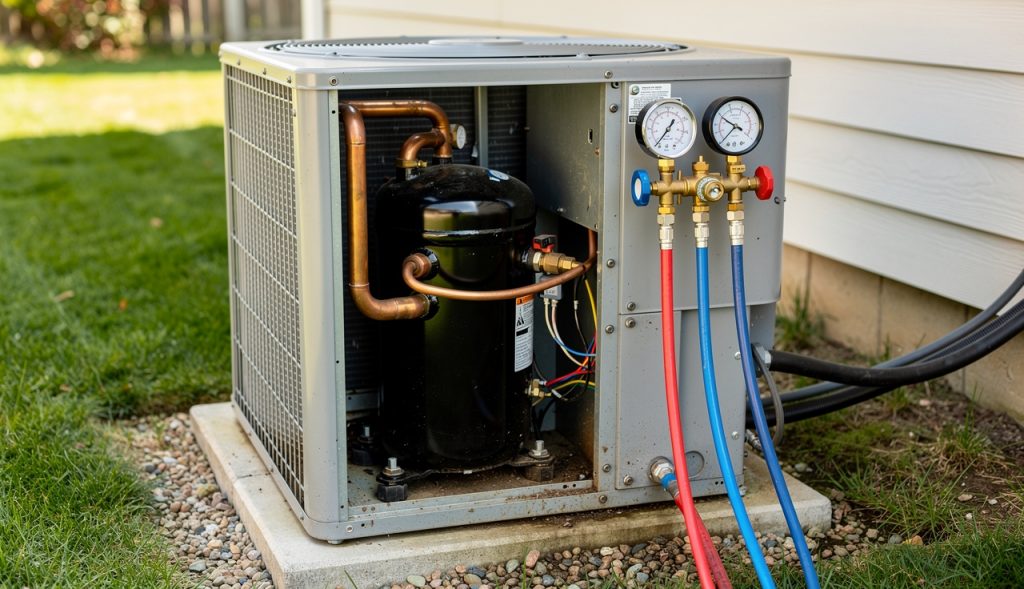
Almost every furnace and air conditioner carries its birth date in plain sight — it is encoded in the serial number on the rating plate, and most major brands use a pattern this decoder knows. Find the plate (on a furnace, inside the burner compartment door; on an outdoor unit, on the side panel), pick the brand, type the serial number exactly as printed, and get the manufacture year. Age is the number that drives the repair-or-replace decision: a $600 repair on a 6-year-old furnace is maintenance; the same repair on a 19-year-old furnace is usually money into a system at the end of its road.
Once you have the year, pair it with the repair-or-replace tools on this site — they use the age you enter. A quick frame for what the year means: furnaces typically run 15–20 years, central AC 12–17, heat pumps 12–15. Past those marks, a major repair (a compressor, a heat exchanger, a control board stack) deserves a replacement quote next to it before you approve anything. And if a salesperson tells you your system is “too old to repair” without looking at the plate, you now own the same information they do.
Serial formats change across decades and product lines. If the decoder’s answer disagrees with a date printed elsewhere on the unit (some plates carry a separate manufacture date), believe the printed date.
Enter the age, the problem and the repair quote - get a straight repair-or-replace verdict.
Open calculatorOld furnace, big repair quote? Run the numbers before you sign anything.
Open calculatorEstimate what a new AC, furnace or heat pump should actually cost installed, by size and efficiency.
Open calculatorPick the heater type, size, and how much install work is involved — get a 2026 installed price range before you call.
Open calculatorEnter your system size, current and new SEER ratings, and your electric rate — see the yearly savings and the payback in plain dollars.
Open calculatorEight common plumbing jobs priced two ways: what a pro charges installed, and what the parts cost if you do it yourself — with an honest verdict on each.
Open calculatorRoom size, ceiling height, insulation, and sun — get the BTU size for a window unit or mini-split head, with the honest limits of any rule of thumb.
Open calculator