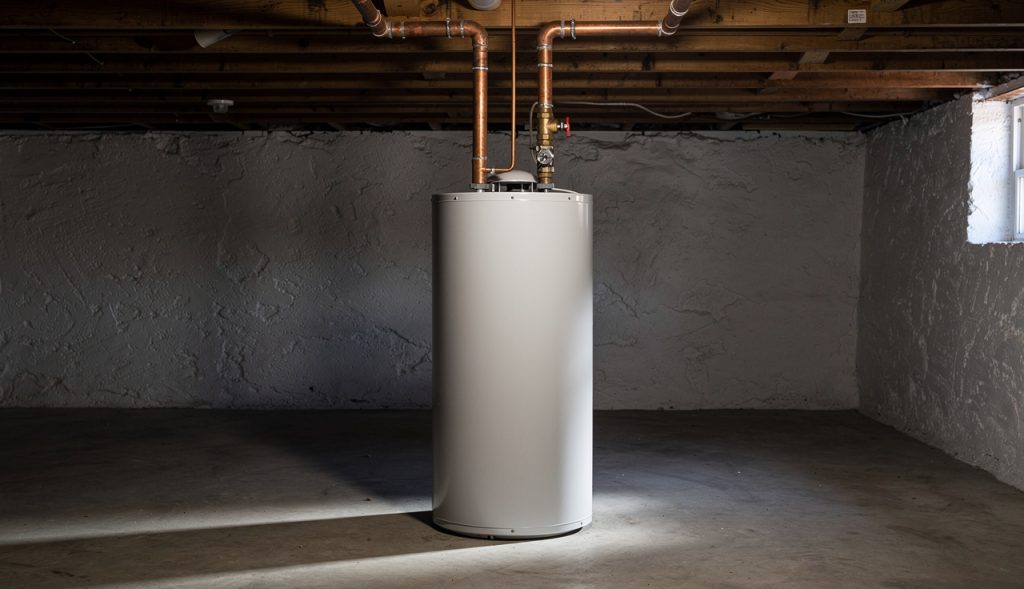
Water Heater: Repair or Replace? Calculator
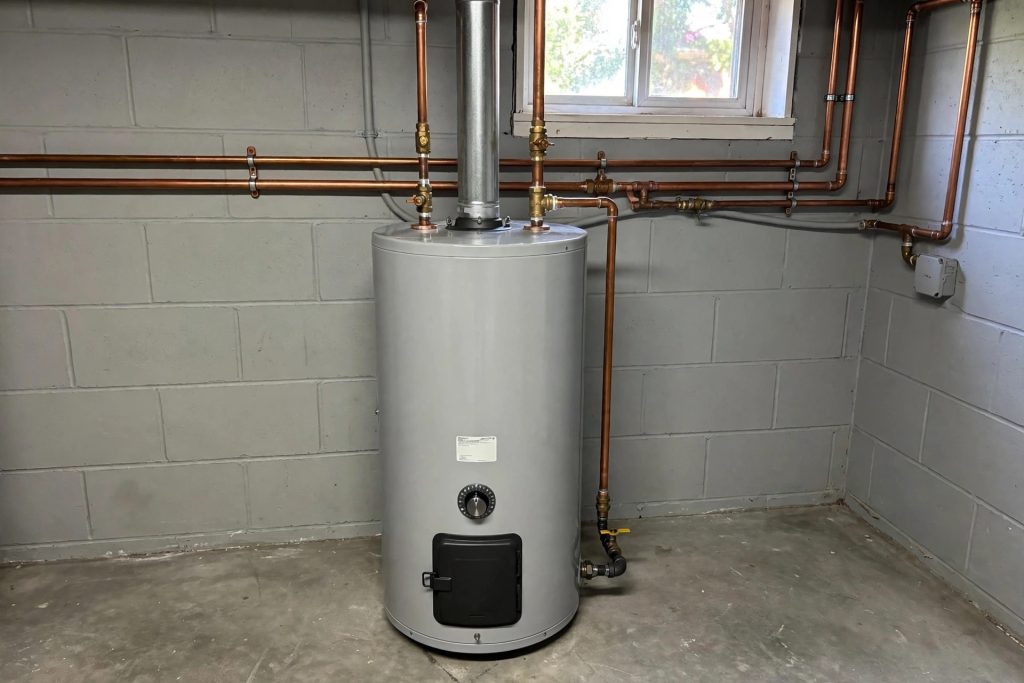
Enter the age, the problem and the repair quote - get a straight repair-or-replace verdict.
Open calculator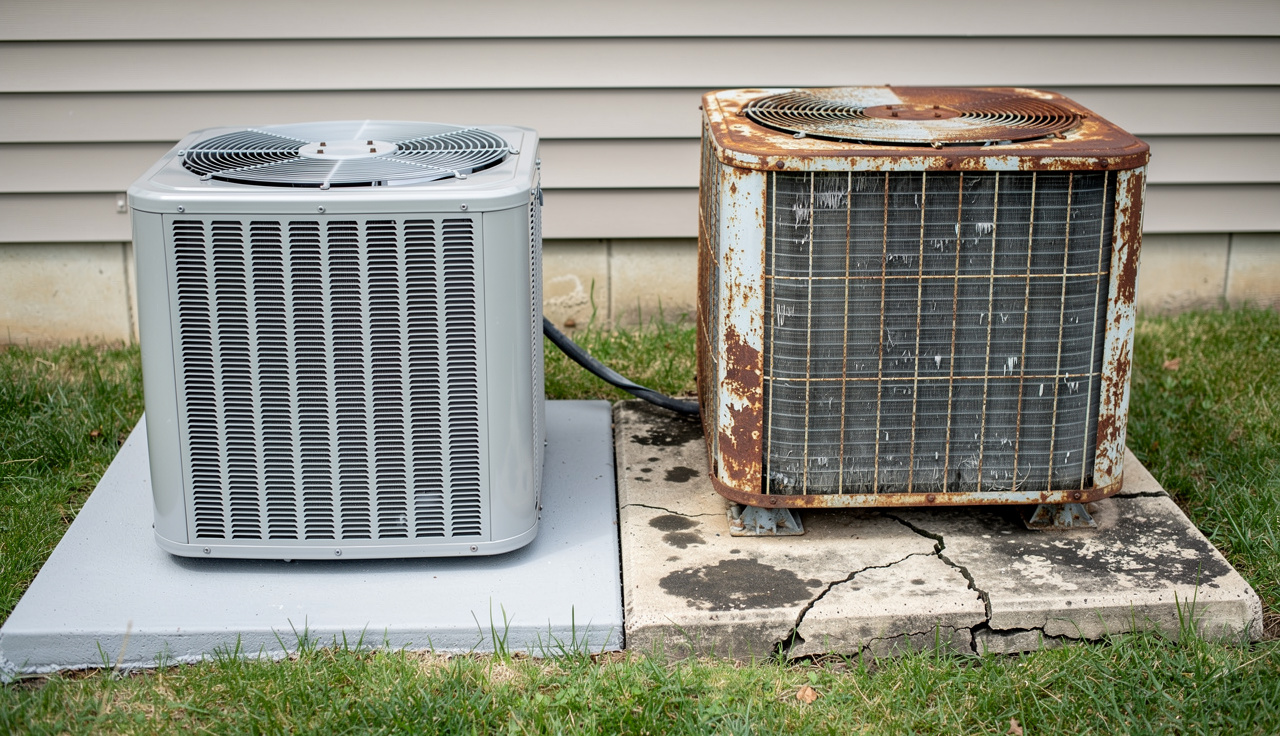
Every AC quote comes with the same pitch: the high-efficiency system “pays for itself.” Sometimes it does. Sometimes the payback is longer than the equipment will live, and the honest answer is to buy the mid-tier unit and keep the difference. This tool does the arithmetic the pitch skips: your system size, the SEER rating you have now, the rating you are being quoted, how many hours a year your system actually runs, and what you pay for electricity. It returns what the upgrade saves per year — and, if you enter the quoted price, how many years the payback really takes.
Two things decide whether the efficiency upgrade is worth it, and neither is the SEER number alone. The first is run hours: a system in Minnesota and a system in Texas with the same ratings live completely different lives, and the savings scale with the hours. The second is your electric rate — at 12 cents a kilowatt-hour the upgrade crawls; at 30 cents it sprints. Run your own numbers before you sit through the pitch, and if the payback comes back longer than about two-thirds of the system’s expected life, the efficiency premium is a donation.
This tool compares ratings on paper. A poorly sized system or leaky ducts can waste more than the SEER gap saves — sizing and duct condition come first, rating second.
Enter the age, the problem and the repair quote - get a straight repair-or-replace verdict.
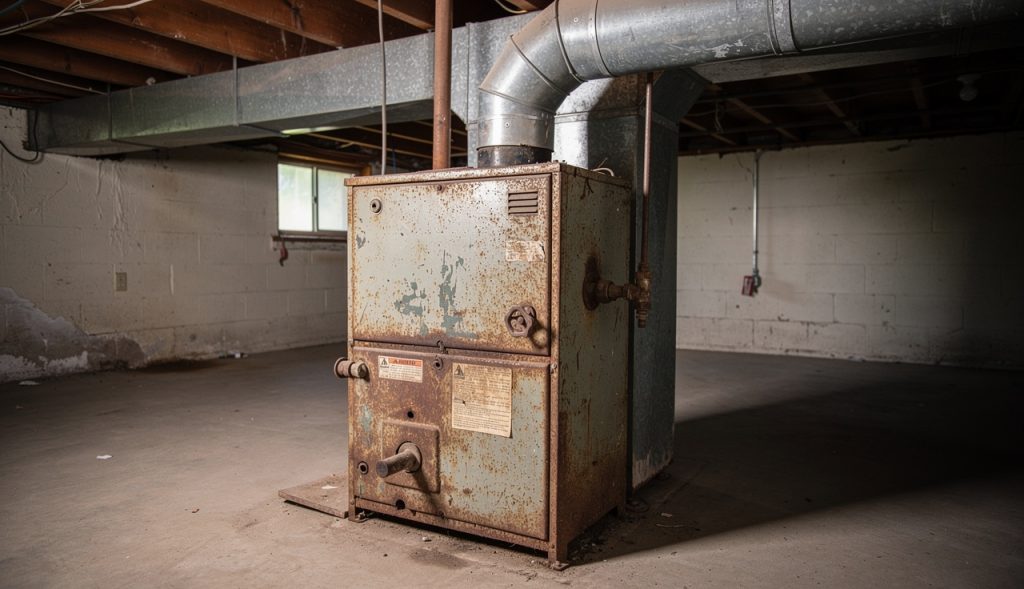
Open calculatorOld furnace, big repair quote? Run the numbers before you sign anything.
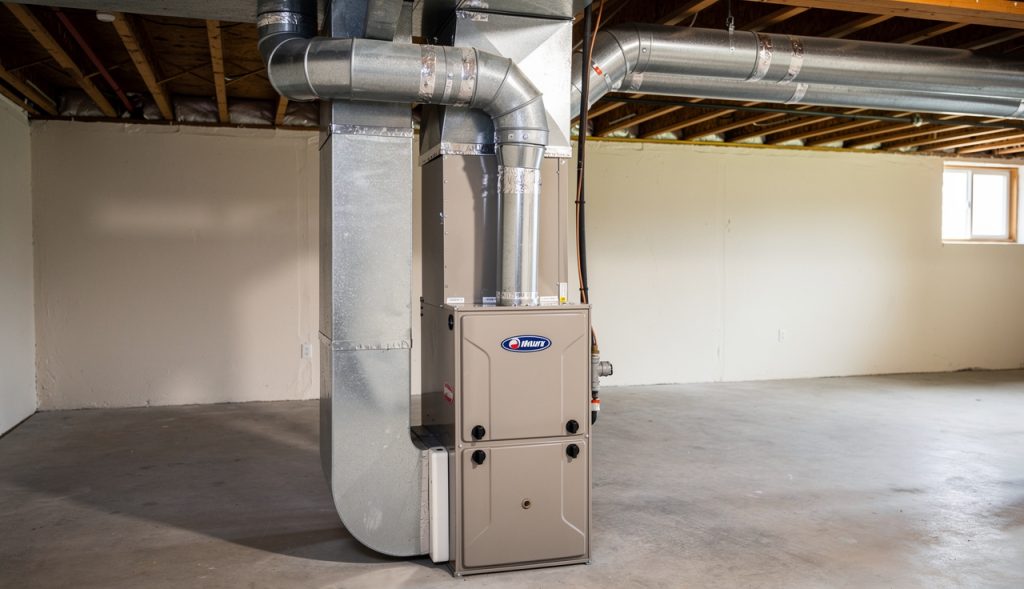
Open calculatorEstimate what a new AC, furnace or heat pump should actually cost installed, by size and efficiency.
Open calculatorPick the heater type, size, and how much install work is involved — get a 2026 installed price range before you call.
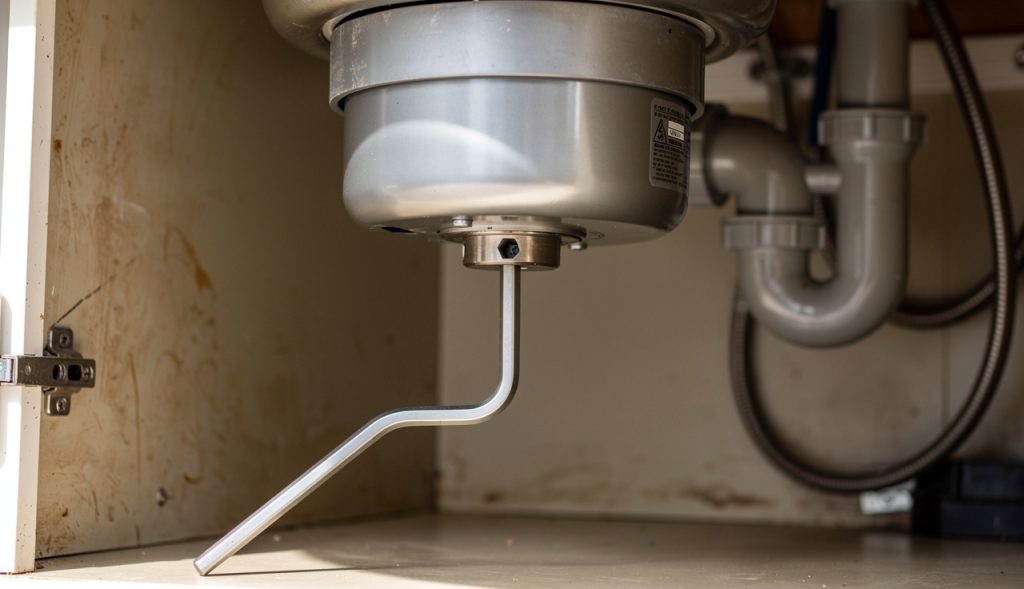
Open calculatorEight common plumbing jobs priced two ways: what a pro charges installed, and what the parts cost if you do it yourself — with an honest verdict on each.
Open calculatorEnter the brand and serial number from the rating plate — most brands encode the manufacture year right in the serial.
Open calculatorRoom size, ceiling height, insulation, and sun — get the BTU size for a window unit or mini-split head, with the honest limits of any rule of thumb.
Open calculator