Whirlpool Washer LF Error: What It Means and How to Fix It
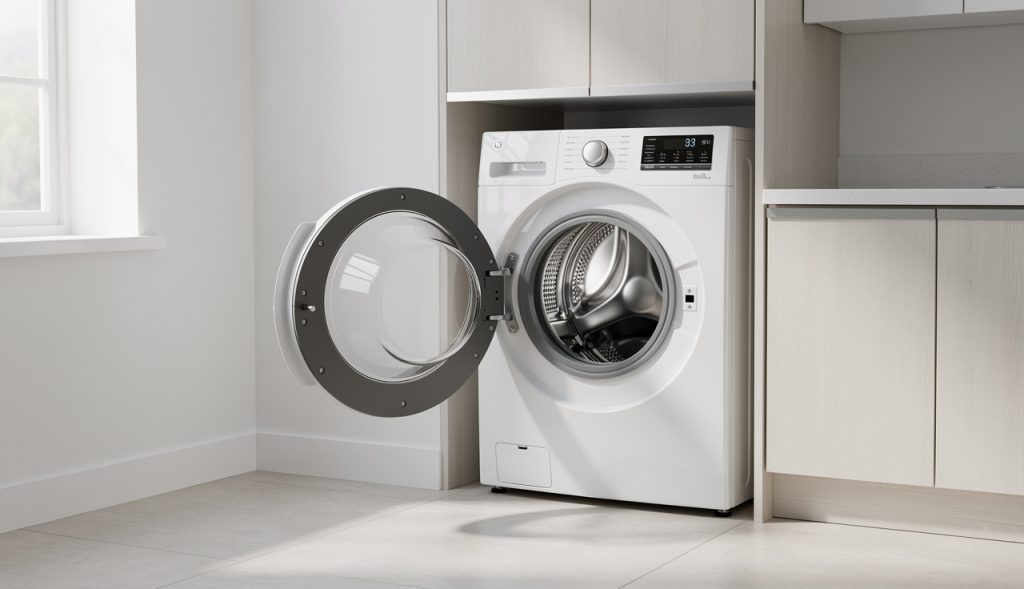
LF means long fill. The checks a tech runs, in order - most fixes are simple.
Read the fix
An error code is the control board reporting a symptom, not naming a bad part. The board watches sensor readings and cycle timing. When a reading falls outside the programmed range, or a step takes longer than allowed, it stops the cycle and flashes a code. That code tells you what the board saw. It does not tell you why.
Find the model number before you do anything. The tag location varies by appliance. On washers, look inside the lid or behind the door, on the back panel, or along the top edge of the console. Dryers: inside the door opening, on the back, or behind the toe panel. Dishwashers: on the door frame edge, on the kickplate, or on the side of the tub. Refrigerators: inside the fresh food compartment, usually on the upper right or left wall, sometimes behind the kickplate or on the back. Write down the full model and serial number. Parts and tech sheets are keyed to that number, and the same code can mean different things across model years.
Why one code can have three causes: the sensor itself can fail, the wiring between sensor and board can fail, or the board can fail to read a good sensor. A supply problem can also mimic a sensor fault — low water pressure, a clogged screen, a loose door latch. The board only knows the reading is wrong.
The golden rule: check the simple, cheap causes first. Power supply, water supply, door latch, load balance, filters, drain hose depth. In the field, a good share of codes clear on a supply problem, not a part failure. A clogged inlet screen or a tripped flood-safe hose will throw the same code as a bad valve. Do not order a control board until you have checked the free stuff. That order saves money and keeps you from replacing a good part.
LF means long fill. The checks a tech runs, in order - most fixes are simple.
Read the fixLE is a motor lock error. What causes it, what to test, and what is worth replacing.
Read the fixF01 points at the main control board. How to be sure before you spend the money.
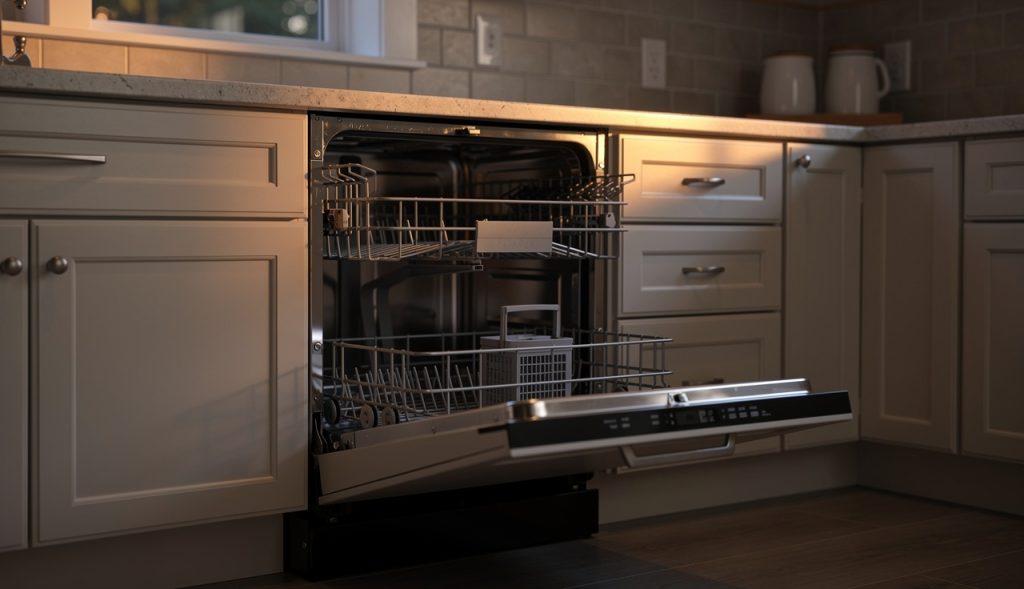
Read the fixThree beeps usually means the machine thinks the door is open - or water where it should not be.
Read the fixThe error code library grows weekly — check back for new codes and field-tested fixes.